
Edible Seaweeds for Food: Types, Benefits & Culinary Uses
Seaweed is rapidly emerging as one of the most sustainable and nutrient-dense foods in the world. Edible seaweeds have been consumed for centuries across Asia and along the coasts of Europe and are now gaining popularity globally as functional ingredients in modern foods.
The Unique health power of seaweeds
Seaweeds are rich in bioactive compounds, including:
- Proteins, peptides and amino acids
- Polysaccharides
- Antioxidants
- Fatty acids
- And more!
These natural nutrients make seaweed an excellent ingredient for healthy, sustainable, and innovative food products.
Edible Seaweed Species for Food Applications
Below are some of the most widely used edible seaweed species supplied by The Seaweed Consortium.
Atlantic Wakame (Alaria Esculenta)
Atlantic Wakame, officially named Alaria Esculenta, is rapidly gaining popularity in the natural foods market thanks to its versatility, nutrient density, and appetizing umami taste. It is a traditional food along the coasts of the far north Atlantic Ocean.
Product specifications:
- Whole dried strips of leaf
- Granulate (> 5mm)
- Powders (< 5mm)
Active ingredients:
- Fucoidan
- Alginate
- Fucoxanthin & polyphenols
- Calcium
- Magnesium
- Potassium
- Vitamin E
Claims:
EFSA approved on various minerals
- Potassium
- Sulphur
- Iodine
- Magnesium
- Calcium
Soft claims:
- Rich in dietary fiber
- Improves gut health
- Balances immune system
Culinary uses:
- Suitable as meat replacement/reduction in meat products
- Great soaked & raw in salads
- Imparts chicken flavor when cooked with rice
- For miso soup, rich vegetable soups and stews
Sea Spaghetti (Himanthalia Elongata)
Sea Spaghetti, officially named Himanthalia Elongata, is rich in bioactive compounds, dietary fiber, ash content, vitamins, and minerals, and has most notably been used in successful reduced-salt products to date. It is wild-harvested in the North Sea and the North Atlantic Ocean.
Product specifications:
- Whole dried strips cut at specified size
- Granulate (>5mm)
- Powders (<5mm)
Active ingredients:
- Fucoidan
- Alginate
- Fucoxanthin & polyphenols
- Calcium
- Magnesium
- Potassium
- Vitamin E
Claims:
EFSA approved on various minerals
- Potassium
- Sulphur
- Iodine
- Magnesium
- Calcium
Soft claims:
- Rich in dietary fiber
- Improves gut health
- Balances immune system
Culinary uses:
- Good water-binding capacity
- Anti-microbial & antioxidant activity
- Adds a beefy flavor in stews, etc., and a nutty flavor in salads and pasta
- Use in dishes with regular pasta to add variety
- Functional ingredient in gel/emulsion meat systems (sausages) and hybrid-meat products (burgers)
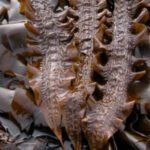
Royal Kombu (Saccharina Latissima)
Product specifications:
- Whole dried strips of leaf
- Granulate (> 5mm)
- Powders (< 5mm)
Active ingredients:
- High in Iodine
- Alginate
- Polysaccharides:
Mannitol, Laminarin, Fucoidan, Alginate - Potassium
- Magnesium
- Calcium
- Iron
Claims:
EFSA approved on various minerals
- Potassium
- Sulphur
- Iodine
- Magnesium
- Calcium
Soft claims:
- High in minerals
- High in dietary fibers
- Natural sweetener
- Can replace sugar and salt (applicable for Type II diabetics)
Culinary uses:
- Can be added to cookies, biscuits, and tarts
- Makes great marinated and oven crisped or shallow deep-fried snack
- Condiment for meat, cheese, fish and vegetables
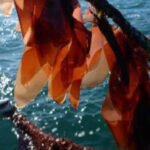
Dulse (Palmaria Palmata)
Dulce has been a food source for thousands of years and is a fantastic source of dietary requirements, including protein and fiber. Very tasty due to high umami. Also called Dillisk.
Product specifications:
- Whole dried plants
- Granulate (> 5mm)
- Powders (< 5mm)
Active ingredients:
- High in protein (~30%)
- High in Umami (amino acids)
- Xylan
- High potassium
- Iron
- Vit B6, 12
Claims:
EFSA approved on various minerals
- Iron
- Magnesium
- Zinc
- Calcium
Soft claims:
- High in minerals
- Rich in prebiotic fibers
- Improves gut health
Culinary uses:
- Savoury, umami-rich flavor
- When toasted bacon-like flavour
- Can be chewed uncooked, unique mouthfeel
- Add to salads after soaking
- In bread as sugar substitute
- Tasty ice cream & chocolate
- Many applications from stews to curries
- Versatile seaweed for all types of cooking
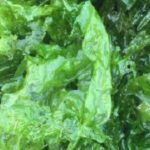
Sea Lettuce (Ulva spp.)
Product specifications:
- Flakes
- Granulate (> 5mm)
- Powders (< 5mm)
Active ingredients:
- Polysaccharide Ulvan
- Rel. high in protein
- Iron
- Potassium
- Calcium
- Magnesium
- Vitamin C, B6,12, E
Claims:
EFSA approved on various vitamins
and minerals
Soft claims:
- Rich in minerals
- Rich in dietary fibers
- Improves gut health
- Balances immune system
Culinary uses:
- Bright, colorful addition to dishes
- Delicate taste
- Great in omelets, bread, focaccia, and in processed food products such as ice cream
- Used with fish, seafood, and meaty casseroles
- Can be used in any salad after soaking
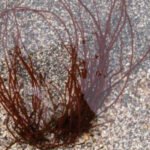
Gracilaria
Product specifications:
- Flakes
- Granulate (> 5mm)
- Powders (< 5mm)
Active ingredients:
- High in leucine &glutamic acid
- Agar
- Iron
- Sulphate
- Potassium
- Calcium
- Vitamin C
Claims:
EFSA approved on various vitamins
and minerals
Soft claims:
- Rich in prebiotic fibers
- Improves gut health
- Reduces blood glucose rise
- Balances immune system
Culinary uses:
- Bread improver
- Part as meat replacer
- Gelling agent, vegetarian gelatine, thickener for puddings, ice-cream
- Raw in salads, as a pickle & vegetable in Asian cuisine, fried as tempura
- nutraceutical potential (anti-viral)
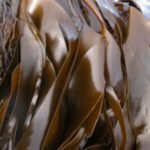
Kombu or kelp (Laminaria digitata)
An economically important seaweed species for human consumption. Major source of alginates, used as gelling agent in the food industry and as a traditional food ingredient in Asia.
Free glutamates (Umami), Iodine, Polysaccharides (Fucoidan, alginates, Laminarin), minerals, Vit B12
Product specifications:
- Flakes
- Granulate (> 5mm)
- Powders (< 5mm)
Active ingredients:
- Free glutamates (Umami)
- Iodine
- polysaccharides (Fucoidan,
alginates, Laminarin) - Minerals
- Vitamin B12
Claims:
EFSA approved on various minerals
- Potassium
- Sulphur
- Iodine
- Magnesium
- Calcium
- Vitamin B12
- Beta glucans (Laminarin)
Soft claims:
No Claims
Culinary uses:
- Added to beans during cooking to enhance flavour and reduce cooking time
- Used to make traditional soup stocks
- A tasty savoury party snack when marinated and oven crisped or shallow-fried deep fried
- Used as a condiment for meats, cheeses, vegetables and fish
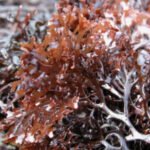
Irish Moss (Chondrus crispus)
Product specifications:
- Flakes
- Granulate (> 5mm)
- Powders (< 5mm)
Active ingredients:
- High in leucine &glutamic acid
- Agar
- Iron
- Sulphate
- Potassium
- Calcium
- Vitamin C
Claims:
EFSA approved on various vitamins
and minerals
Soft claims:
- Rich in prebiotic fibers
- Improves gut health
- Reduces blood glucose rise
- Balances immune system
Culinary uses:
- Bread improver
- Part as meat replacer
- Gelling agent, vegetarian gelatine, thickener for puddings, ice-cream
- Raw in salads, as a pickle & vegetable in Asian cuisine, fried as tempura
- nutraceutical potential (anti-viral)
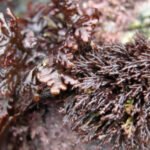
Pepper dulse (Osmundia pinnatifida)
Product specifications:
- whole plant only (small plants) Flakes
Active ingredients:
- High in protein (30%)
- high iron, magnesium, and zinc
- And amino acids Taurine L-citrullyl-L-Arginine
Claims:
No claims
Soft claims:
- Has antibacterial properties
Culinary uses:
Used a replacement for pepper, spicy peppery notes, as an addition to any dish that needs livening up.
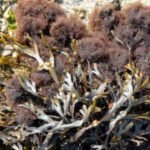
Truffle of the sea (Vertebrate lanosa)
Product specifications:
- whole plant only
(small plants) Flakes
Active ingredients:
- High in protein (30%)
- high iron, magnesium, and zinc
- And amino acids Taurine L-citrullyl-L-Arginine
Claims:
No claims
Soft claims:
Similar properties what truffles
have in enhancing certain notes
in a dish
Culinary uses:
Used as a truffle-of-the-sea replacement for MSG salt, and other taste enhancers.