Building impact for people and oceans

At TSC, sustainability is the foundation of everything we do. Our work creates measurable environmental and social value across coastal regions, farming communities, and marine ecosystems.

Environmental benefits

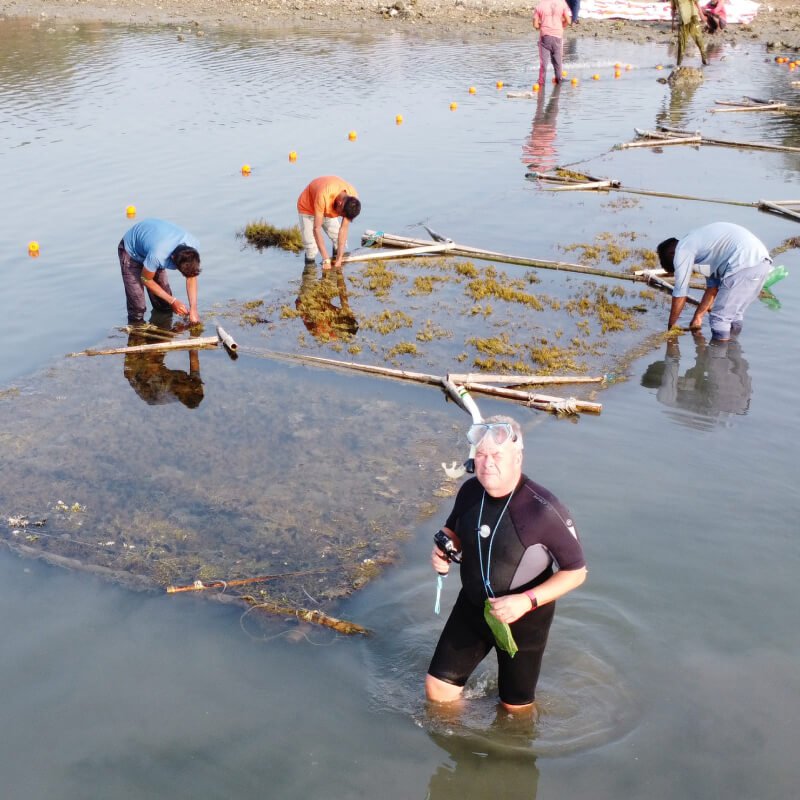
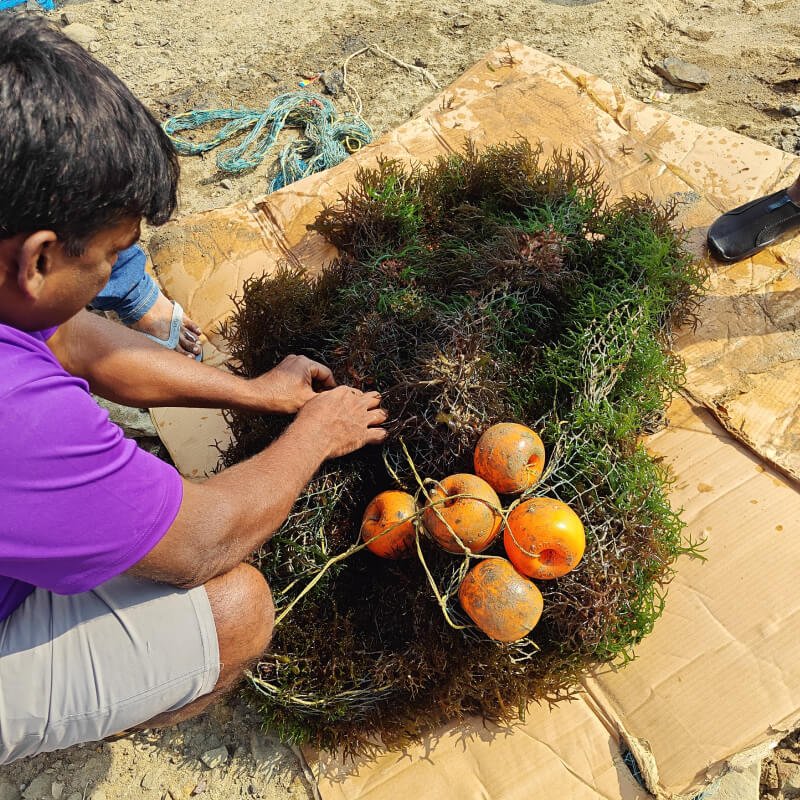
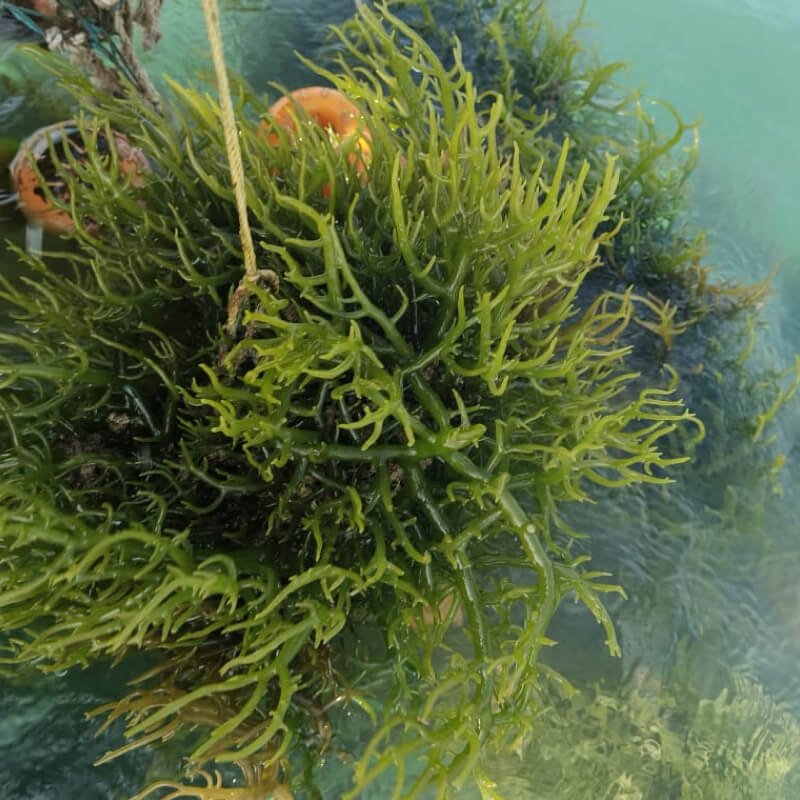
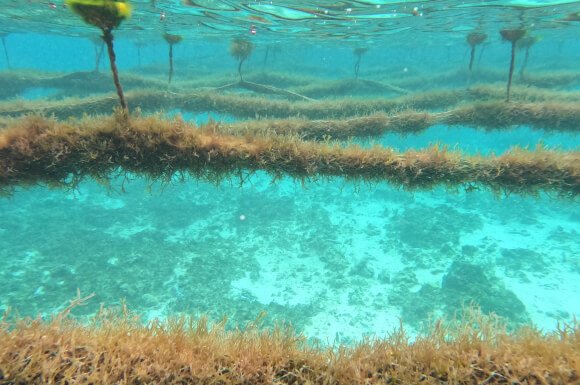
Large-scale CO₂ uptake through seaweed cultivation helps reduce ocean acidification and protect coral reefs, biodiversity, and coastal food systems.

Natural recycling of nitrogen and phosphorus reduces agricultural runoff and improves water quality.

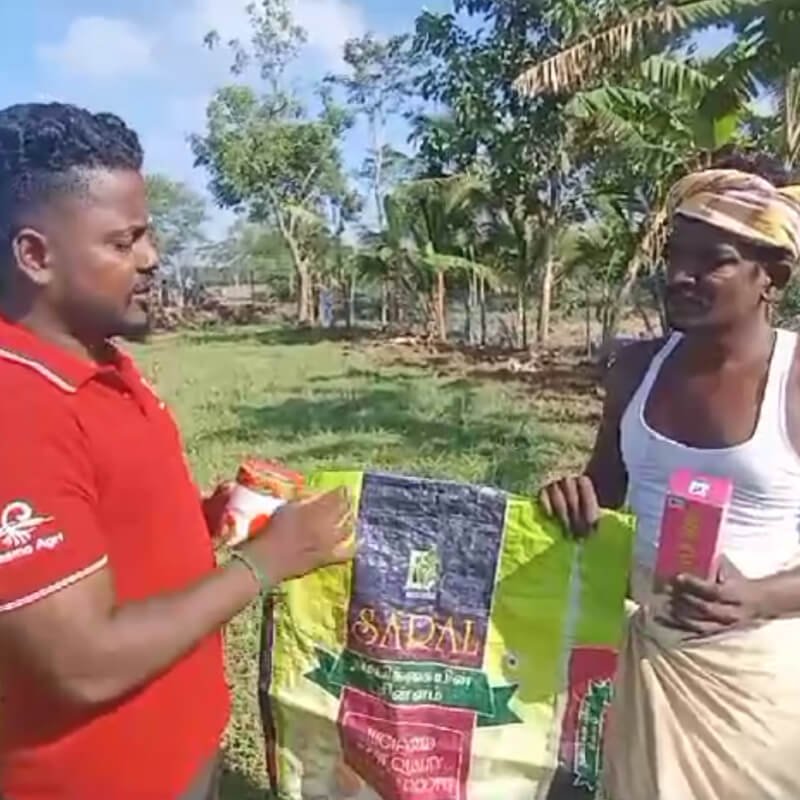
Seaweed biomass is rich in potassium and essential minerals, making it a powerful input for fertilisers, animal feed, and high-value bio-actives.

A circular approach to farming and processing that maximises nutrient recycling and minimises waste.

Zanzibar Expansion:
A Strategic Milestone

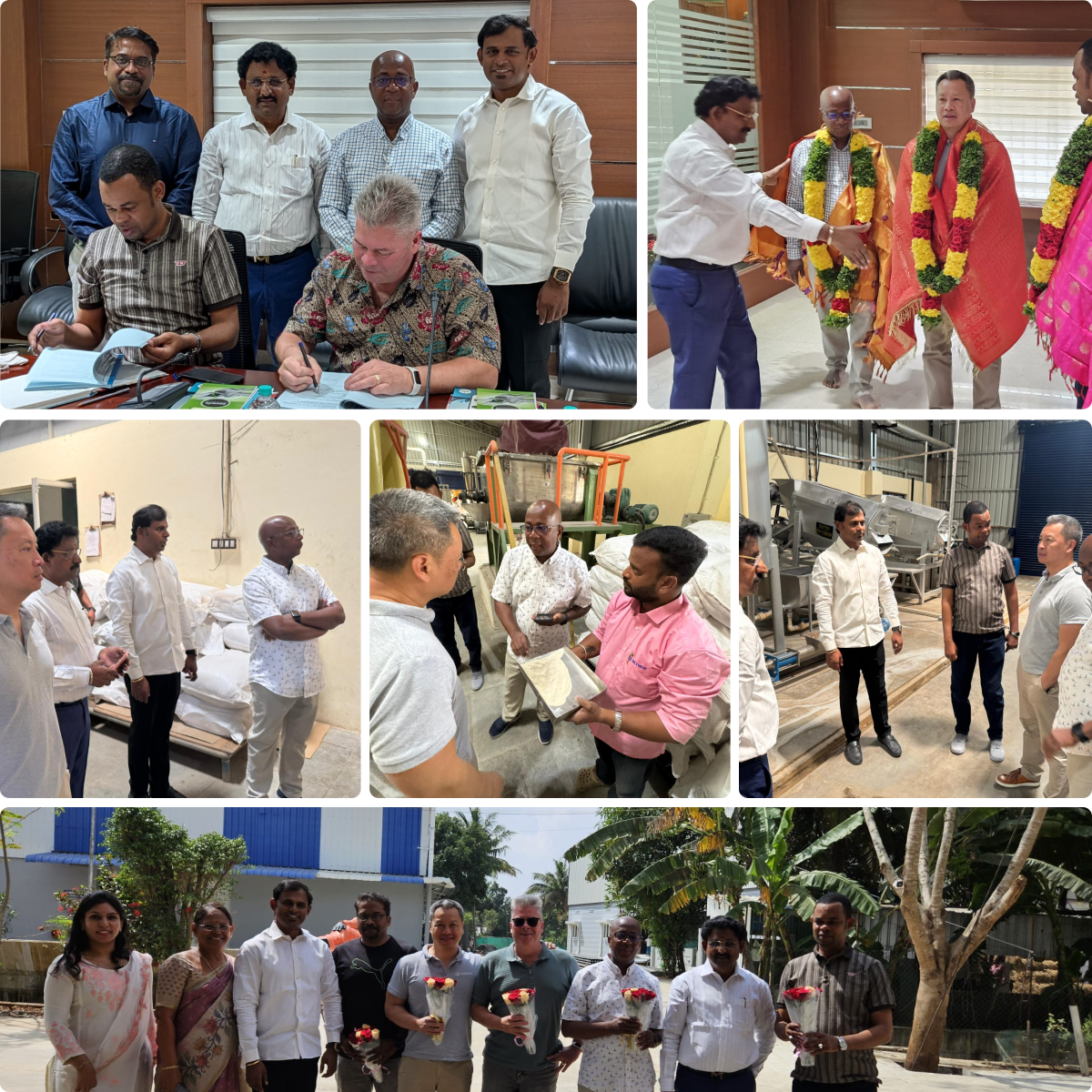
TSC has been awarded by the Government of Zanzibar to establish a seaweed processing and manufacturing facility as part of its international expansion.

This initiative strengthens local seaweed value chains by supporting coastal livelihoods, enhancing processing capacity, and building scalable infrastructure for sustainable aquaculture. The facility is designed to integrate cultivation, hatchery systems, and processing, creating long-term economic and environmental impact.

Zanzibar processing plant: from field to factory

A landmark investment in seaweed value addition, bringing processing infrastructure, government partnership, and economic opportunity to Pemba and Unguja.

Plant exterior — Chamanangwe, Pemba

State House meeting, March 2026

Annual carrageenan capacity
29900 t
Direct jobs created
80 +
Women farmers benefiting
60 %

The facility

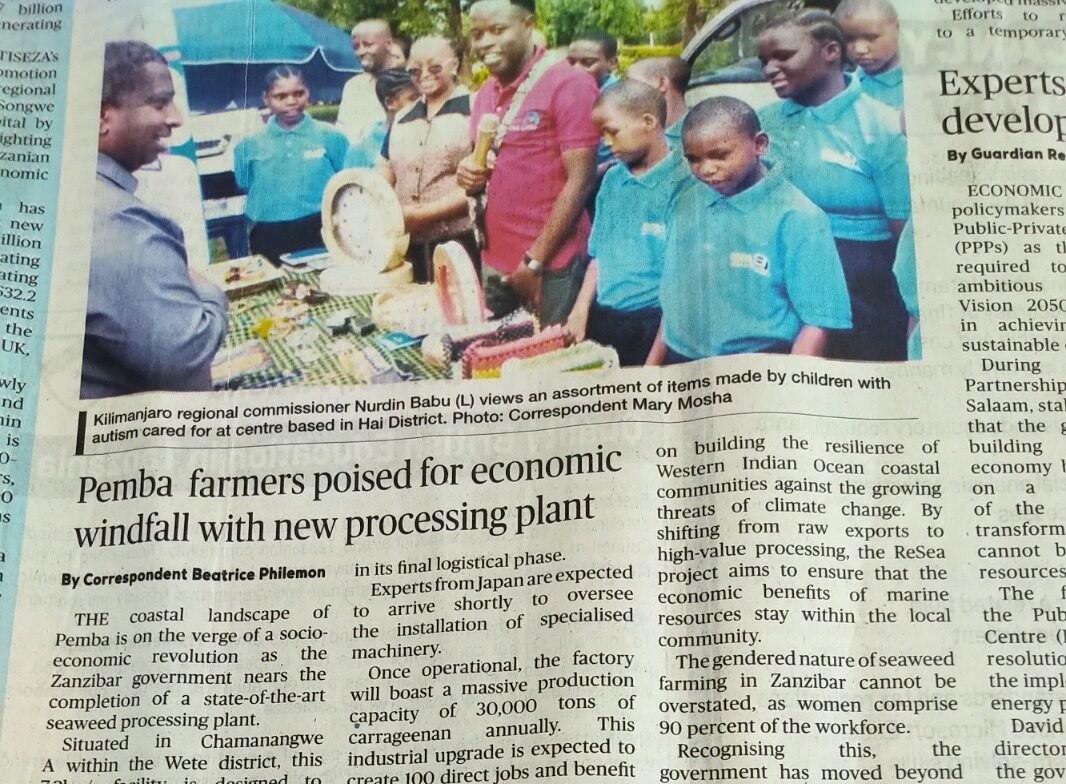
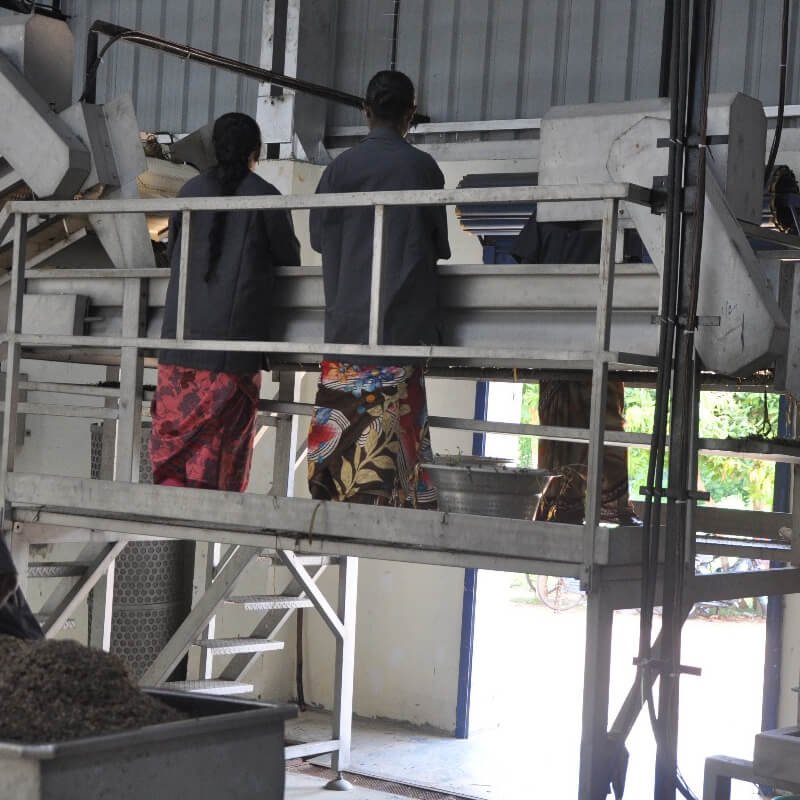
TSC's seaweed processing plant in Chamanangwe, Pemba, is nearing completion. The TZS 7.2bn facility will process up to 30,000 tonnes of carrageenan annually, shifting value from raw exports to local communities. Machinery installation is expected to conclude in June 2026, with full production beginning in September 2026.

Government partnership

In March 2026, TSC Chairman Dr. Stefan Kraan met with H.E. President Dr. Hussein Ali Mwinyi at the State House in Zanzibar. Together, they reaffirmed a shared commitment to increasing seaweed production, securing fair prices for farmers, and establishing direct procurement systems that benefit coastal communities.

Impact on farmers

Women comprise 90% of Zanzibar's seaweed workforce. The plant is designed to directly benefit approximately 80% of women engaged in seaweed farming by drastically reducing post-harvest losses and securing higher profit margins — alongside distributing over 1,000 modern fibre boats to female farmers across the islands.

Products & blue economy

The investment will enable production of high-value seaweed derivatives including fertilizer, animal feed, and medicines — a transformative step in the industrialisation of Zanzibar's blue economy and a demonstration of TSC's commitment to keeping marine resource value within local hands.

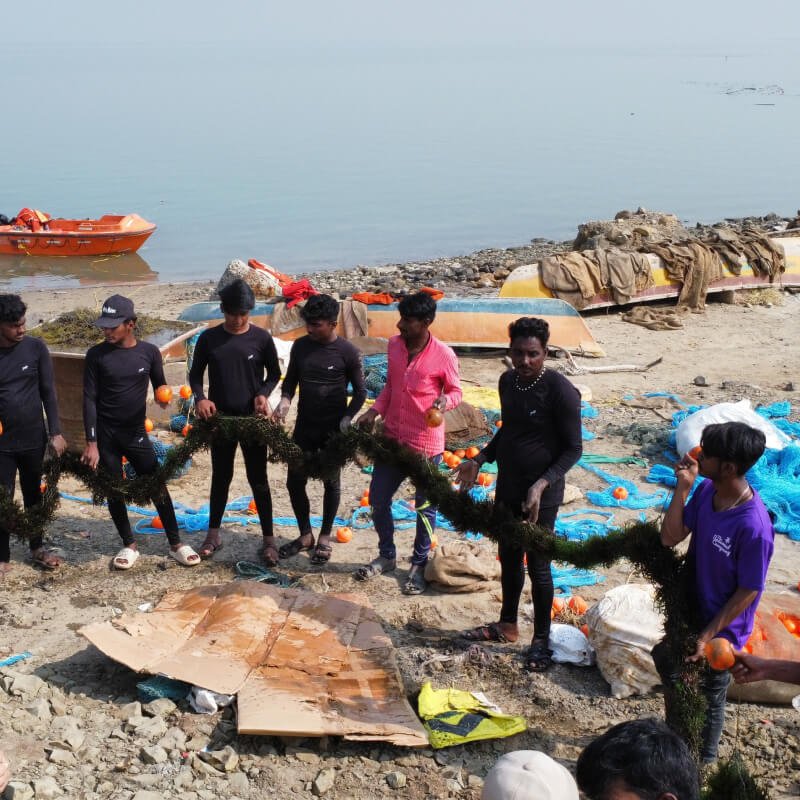
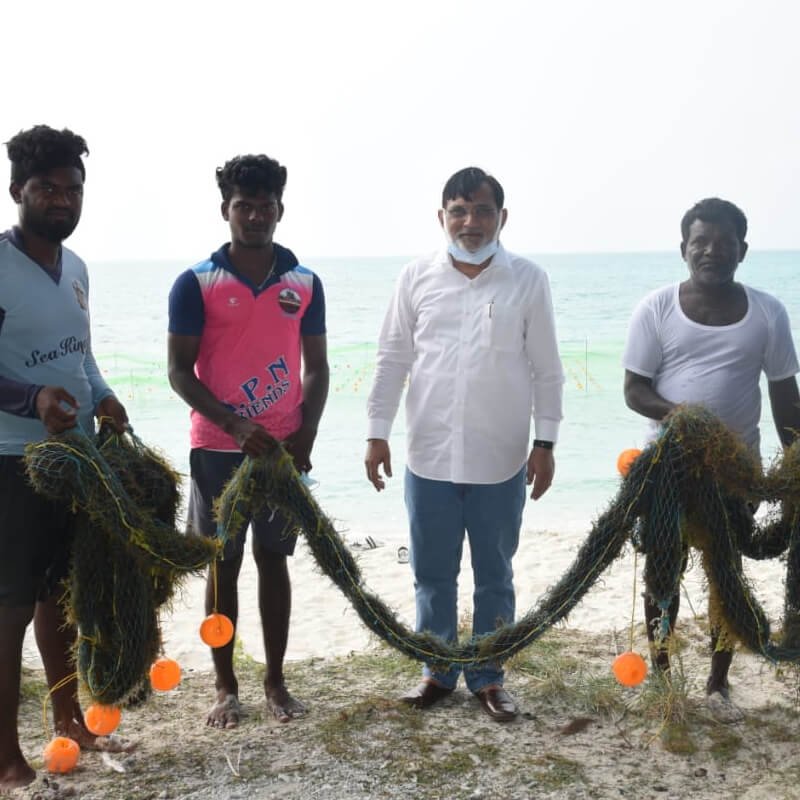
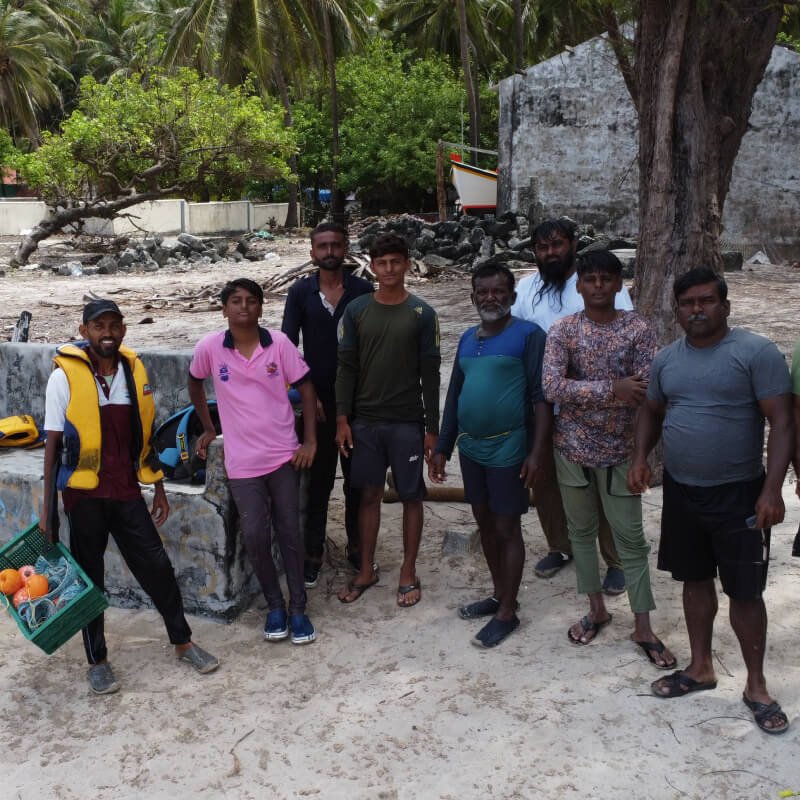
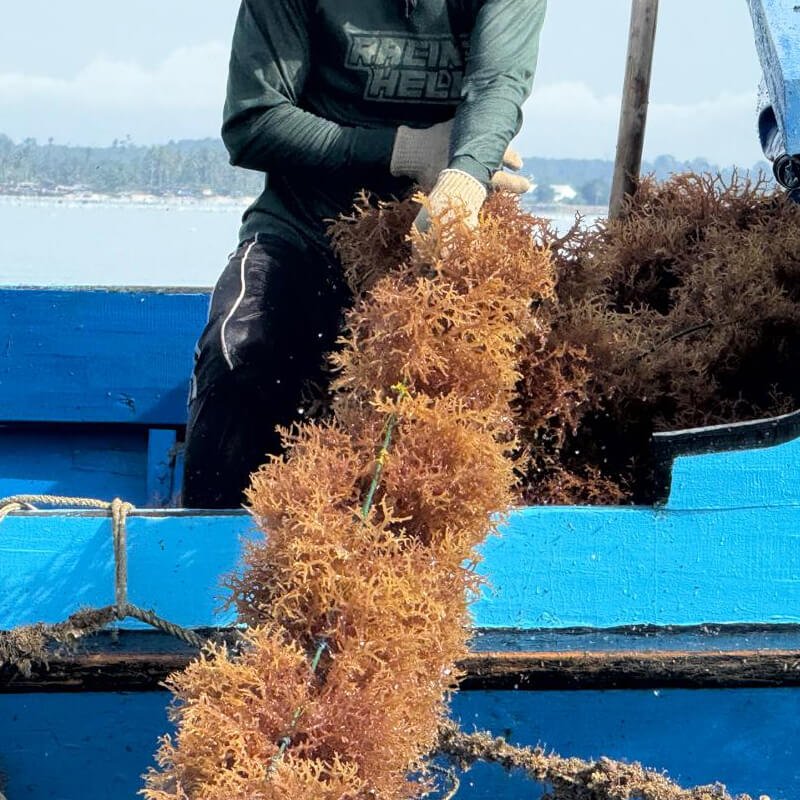
Supporting 2k+ Blue Farmers through community-led seaweed cultivation.

We are committed to uplifting coastal communities through long-term training, skill development, and the provision of inclusive livelihood opportunities. Our programs empower fishing families, strengthen local economies, and support a new generation of Blue Farmers who cultivate sustainably and earn with dignity.

Our programs empower fishing families, strengthen local economies, and support a new generation of Blue Farmers who farm sustainably and earn with dignity.

Our global impact ambition

To build a seaweed-driven ecosystem that restores marine health, strengthens rural livelihoods, and drives a circular, climate-positive future, ensuring shared prosperity for people and planet.