
Find the Scientist in You
Helping young minds turn curiosity into scientific thinking
Why does this happen?
Can this be improved?
What if we tried something different?
The ability to ask those questions — and then investigate them systematically — is at the heart of scientific thinking.
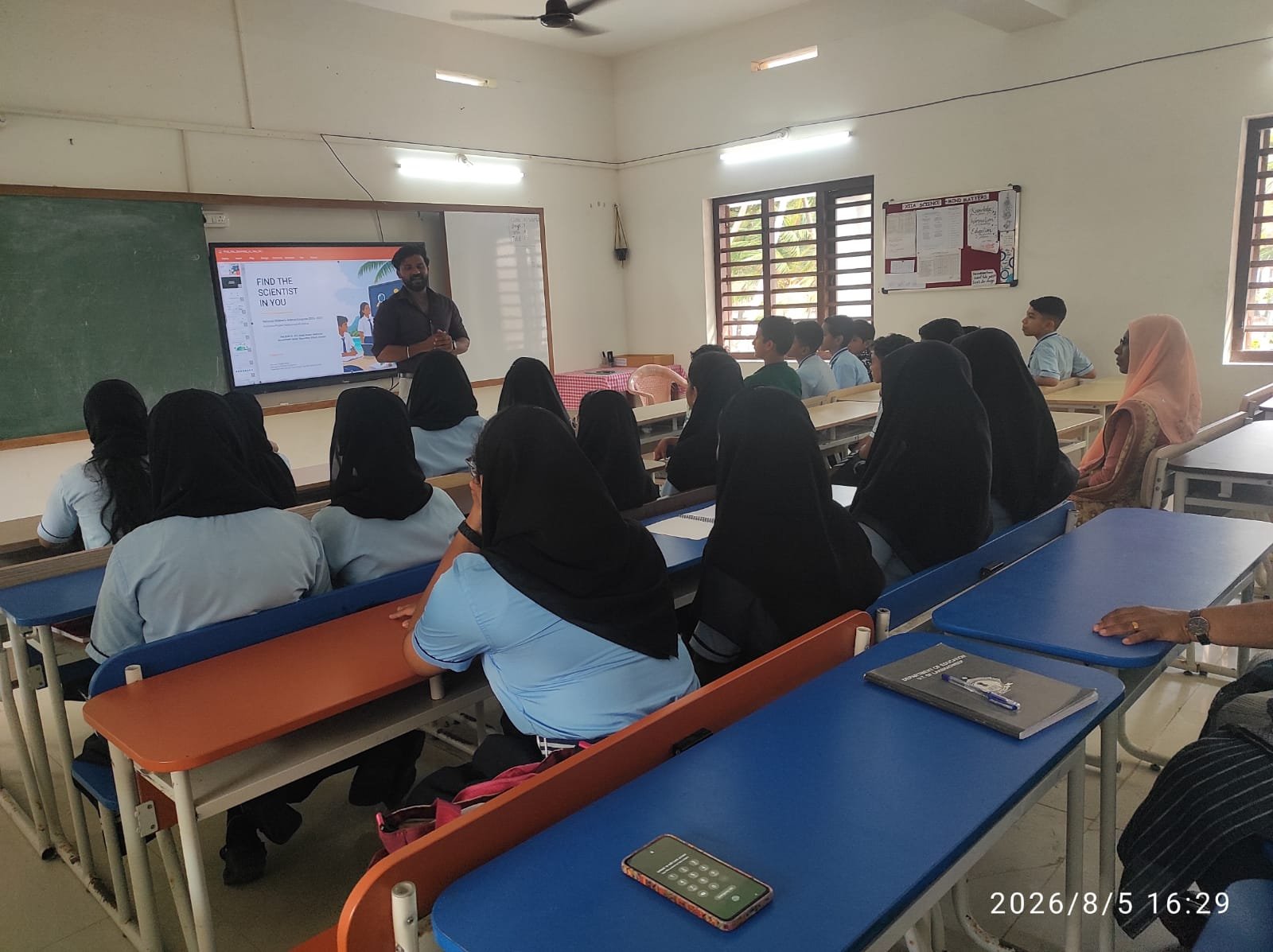
“Find the Scientist in You” (FSY) is a science-outreach initiative led by Rameer Thaslim Khan, Managing Director – R&D;, Seaweed Hatchery & Technology Transfer Centre, Chetlat, created to nurture scientific curiosity, research thinking and confidence among school students.
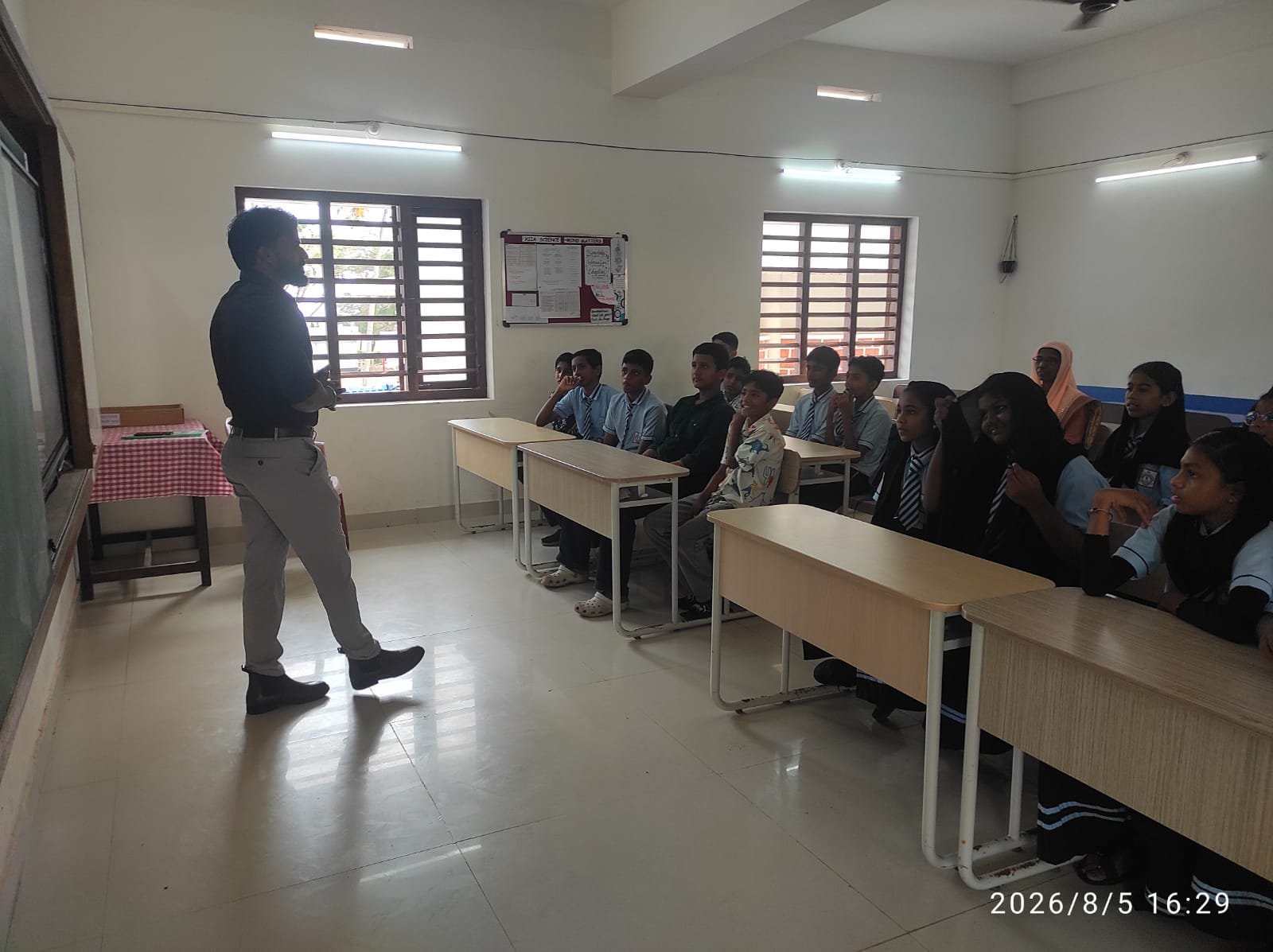
The initiative began with a session at PM SHRI Dr. APJ Abdul Kalam Memorial Government Senior Secondary School, Chetlat, bringing students into an interactive environment where they could learn how scientific ideas are developed rather than simply being given answers.
From observation to a research question
The programme takes a simple approach:
Instead of giving students ready-made project topics, the session encouraged them to start with what they could see and experience around them.
Students worked through project-development worksheets, explored possible research questions and learned how to think about the aim, objectives and methodology of a project.
This approach helps move science beyond memorizing facts. It gives students the opportunity to experience how scientific thinking actually works.
Learning to communicate an idea
Research is not only about finding answers. It is also about communicating ideas clearly.
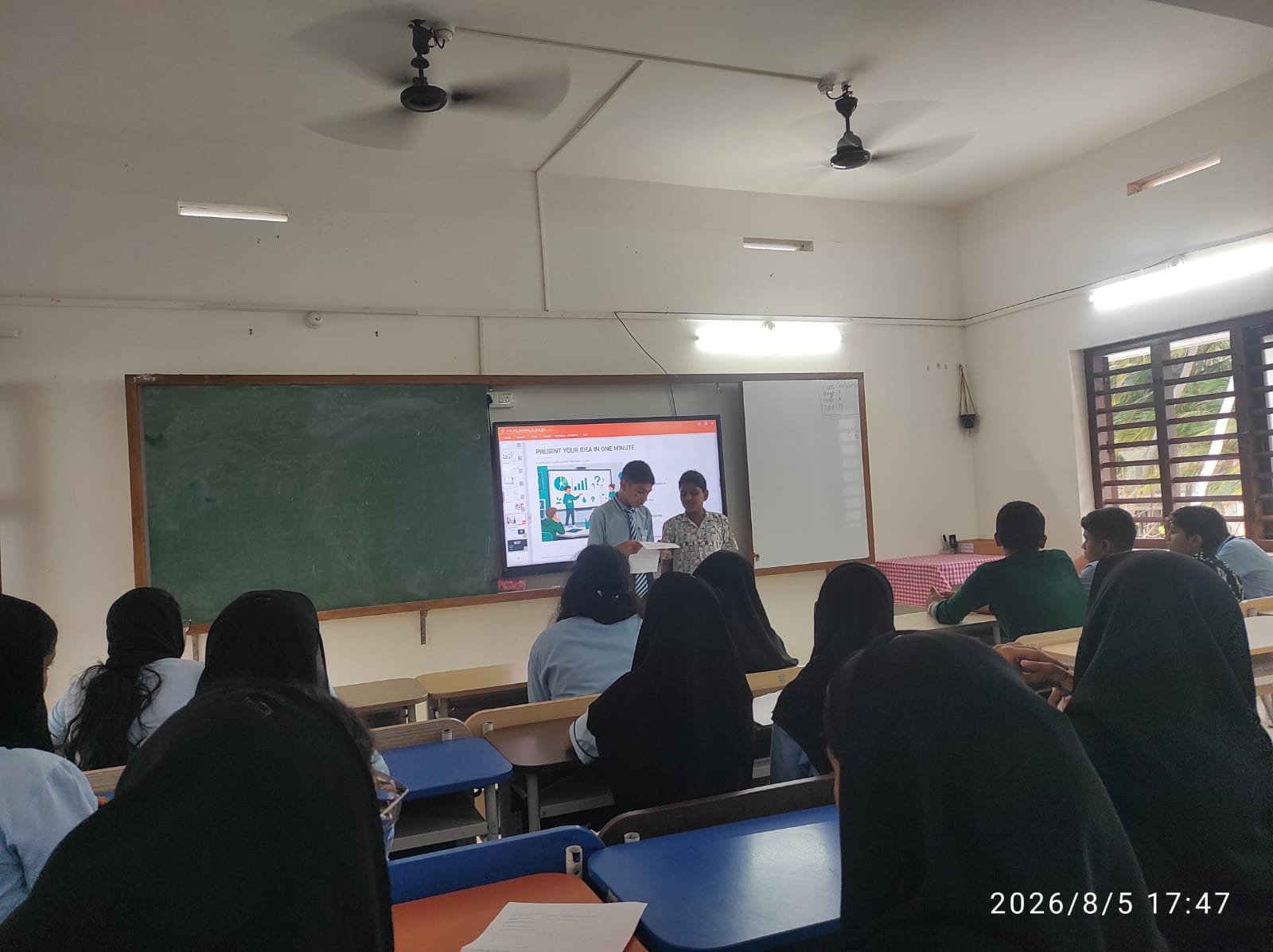
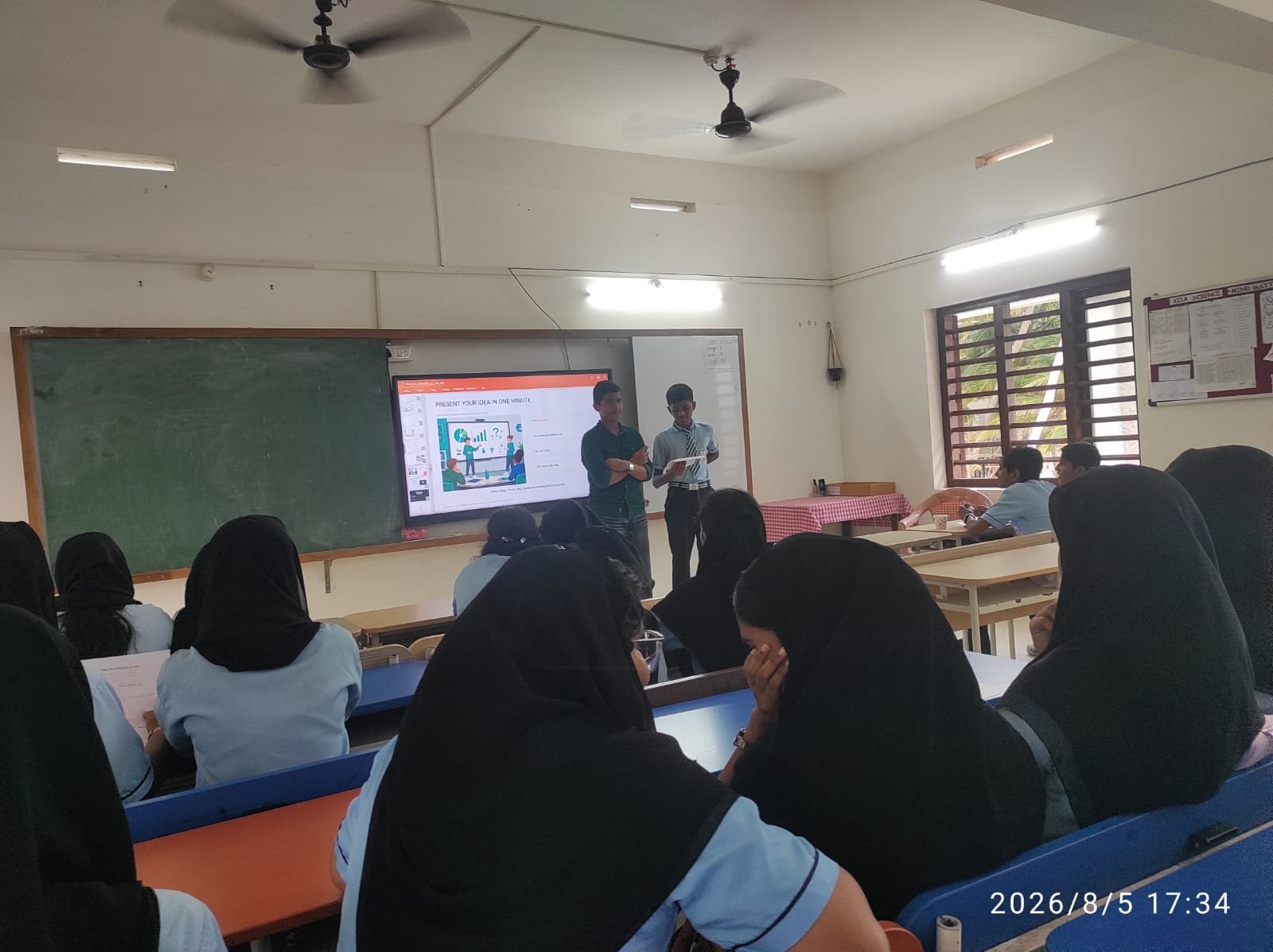
As part of the session, students worked in teams and developed one-minute research idea presentations, giving them an opportunity to explain their thinking in front of others.
For many students, simply standing up and presenting an idea can be a meaningful challenge.
The activity therefore focused not only on scientific thinking, but also on confidence, teamwork, communication and the ability to organize an idea clearly.
From curiosity to confidence
One of the session's most encouraging outcomes was seeing students gradually become more comfortable expressing their ideas.
Several students later approached Rameer seeking guidance for their Science Congress projects — a response that reflects the curiosity and interest the programme hopes to nurture.
The objective is not to turn every student into a scientist. It is to help young people develop the mindset that scientists use every day:
Look closely.
Ask questions.
Think independently.
Test your ideas.
Learn from what you discover.
Taking science into the community
For Rameer, the initiative also has a deeply personal connection.
Chetlat is his native island, and working with students in the community provides an opportunity to share the knowledge and research experience he has gained through his professional journey.
The programme is designed as an ongoing mentoring effort rather than a one-time classroom activity.
As part of the continuing component, two students are also being guided in the development of a millet-based research project, giving them an opportunity to take the ideas introduced during the first session into a longer term research process.
Every young scientist begins with curiosity
Scientific thinking does not begin in a laboratory.
Sometimes, it begins in a classroom.
Sometimes, with a question.
Sometimes, with a student noticing something that others have overlooked.
Find the Scientist in You aims to create more of those moments — giving young minds the
confidence, tools, and mentorship to turn curiosity into meaningful questions and, eventually, into research.
Because every young scientist begins somewhere.
TSC and the spirit of discovery
At TSC, we believe that meaningful innovation is built through science, curiosity and the willingness to explore better ways of doing things.
Supporting the next generation of thinkers and researchers is part of creating an ecosystem where
that spirit of discovery can continue to grow.